
LMS vs LXP: What’s the Difference?
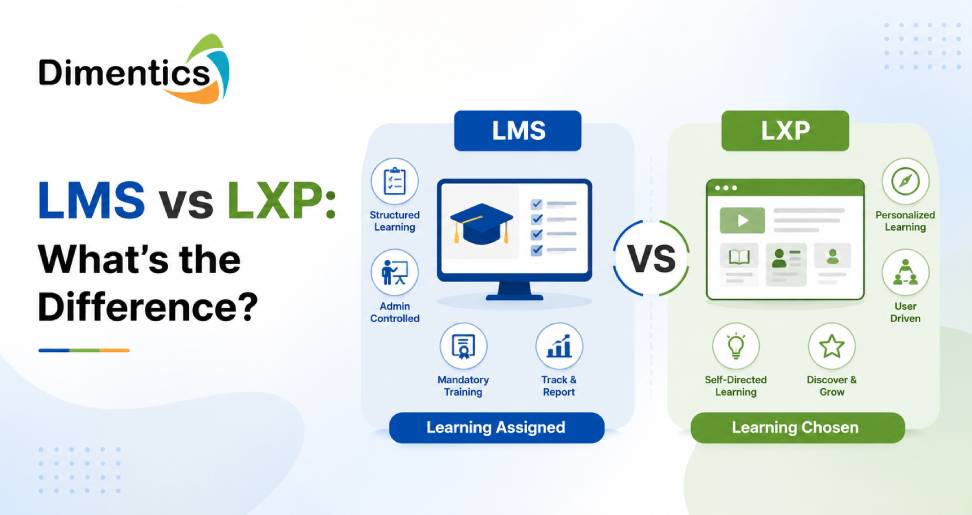
As businesses across New York continue investing in workforce development and digital transformation, choosing the right learning platform has become more important than ever. Whether you’re training employees in Manhattan, onboarding remote teams across the state, or ensuring compliance in highly regulated industries, understanding the difference between a Learning Management System (LMS) and a Learning Experience Platform (LXP) is essential.
Although the two platforms share similar goals, they serve different purposes. Selecting the right solution depends on your organization’s learning objectives, employee engagement strategy, and compliance requirements.
What Is an LMS?
A Learning Management System (LMS) is a centralized platform designed to create, deliver, manage, and track structured learning programs. It is commonly used for employee onboarding, compliance training, certifications, and mandatory corporate learning.
Organizations choose an LMS because it allows administrators to:
- Assign courses to learners
- Track completion rates
- Generate compliance reports
- Manage certifications
- Monitor learner performance
For industries such as healthcare, finance, education, and government—where regulatory compliance is critical—an LMS provides the control and reporting needed to meet organizational standards. LMS platforms are primarily administrator-driven, ensuring employees complete required training on time.
What Is an LXP?
A Learning Experience Platform (LXP) focuses on learner engagement rather than administrative management. Instead of assigning mandatory courses, an LXP encourages employees to discover content based on their interests, career goals, and skill gaps.
Modern LXPs typically offer:
- AI-powered content recommendations
- Personalized learning paths
- Social and collaborative learning
- Integration with videos, podcasts, webinars, and articles
- User-generated learning content
Think of an LXP as a streaming platform for learning. Employees receive recommendations based on their preferences, making learning more engaging and continuous rather than mandatory.
LMS vs LXP: Key Differences
While both platforms support learning, they differ in several important ways.
Learning Approach
An LMS follows a structured, organization-led learning model where administrators assign training. An LXP adopts a learner-centric model that empowers employees to choose what they learn.
Primary Purpose
LMS platforms excel at compliance training, certifications, onboarding, and standardized learning. LXPs focus on continuous professional development, skill-building, and knowledge sharing.
Content Delivery
An LMS primarily delivers internally created courses and formal training materials. An LXP aggregates content from multiple internal and external sources, giving learners greater flexibility.
Personalization
LMS personalization is generally role-based and predefined. LXPs leverage AI to recommend content based on learner behavior, interests, and career aspirations.
Analytics
LMS reporting centers around course completion, certifications, and compliance tracking. LXP analytics measure learner engagement, content popularity, and skill development.
Which Platform Is Better for New York Businesses?
The answer depends on your organization’s priorities.
If your business must comply with state or federal regulations, an LMS is often the better choice. Companies in New York’s healthcare, financial services, legal, and public sectors frequently require documented employee training, audit trails, and certification management.
However, organizations focused on innovation, employee retention, leadership development, and continuous upskilling may benefit from an LXP’s personalized learning experience.
Many modern enterprises now combine LMS and LXP capabilities to create a balanced learning ecosystem that supports both compliance and employee engagement.
Why Accessibility Matters in Modern Learning Platforms
Regardless of whether you choose an LMS or an LXP, accessibility should never be overlooked.
Organizations must ensure every learner—including individuals with disabilities—can access digital training without barriers. This is particularly important for companies operating in New York, where inclusive workplace practices are increasingly expected.
Implementing Learning Accessibility Services helps organizations create training programs that support screen readers, keyboard navigation, captions, transcripts, color contrast, and other accessible learning features.
Equally important is maintaining Accessibility Compliance with recognized standards such as WCAG and ADA requirements. Accessible learning environments not only reduce legal risk but also improve learner engagement and productivity by making educational content available to everyone.
How Dimentics Helps Organizations Modernize Learning
As organizations continue modernizing workplace learning, choosing the right technology partner becomes just as important as selecting the right platform.
Dimentics helps businesses design, develop, and optimize digital learning solutions that align with both organizational goals and learner needs. From scalable LMS implementation to learner-focused experiences, Dimentics supports companies throughout their digital learning journey.
Beyond platform implementation, Dimentics emphasizes accessibility, user experience, instructional design, and compliance, ensuring every learning solution is inclusive, engaging, and future-ready. Whether your organization is launching employee onboarding programs, compliance initiatives, or enterprise-wide learning strategies, Dimentics provides customized solutions that support long-term business growth.
For organizations serving diverse workforces across New York, partnering with an experienced learning solutions provider can significantly improve employee engagement, knowledge retention, and training effectiveness.
Should You Choose an LMS or an LXP?
There is no universal answer because every organization has different learning objectives.
Choose an LMS if you need:
- Structured employee training
- Compliance management
- Certification tracking
- Standardized onboarding
- Detailed reporting
Choose an LXP if you want:
- Personalized learning
- Employee-driven development
- Continuous upskilling
- AI-powered recommendations
- Collaborative learning experiences
Many organizations ultimately discover that the most effective learning strategy combines both approaches. A modern learning ecosystem uses an LMS for mandatory training while leveraging an LXP to encourage continuous professional development and employee engagement.
Final Thoughts
The debate around LMS vs LXP: What’s the Difference? isn’t about determining which platform is universally better—it’s about understanding which solution best aligns with your organization’s goals.
For businesses across New York, the ideal strategy often balances compliance, accessibility, and learner engagement. Investing in accessible, scalable, and employee-focused learning technologies helps organizations remain competitive while supporting workforce development.
By partnering with experienced providers like Dimentics, organizations can implement learning solutions that not only meet today’s business requirements but also prepare employees for tomorrow’s evolving workplace.
Latest Blog
- Curriculum Alignment vs. Standards Alignment: Which Does Your Education Business Need?
- How to Choose the Right eLearning Content Development Company for Your Organization
- A Complete Guide to Standards Correlation for K–12 Publishers
- How to Plan a Successful Custom eLearning Project
- How AI Is Transforming Standards Alignment