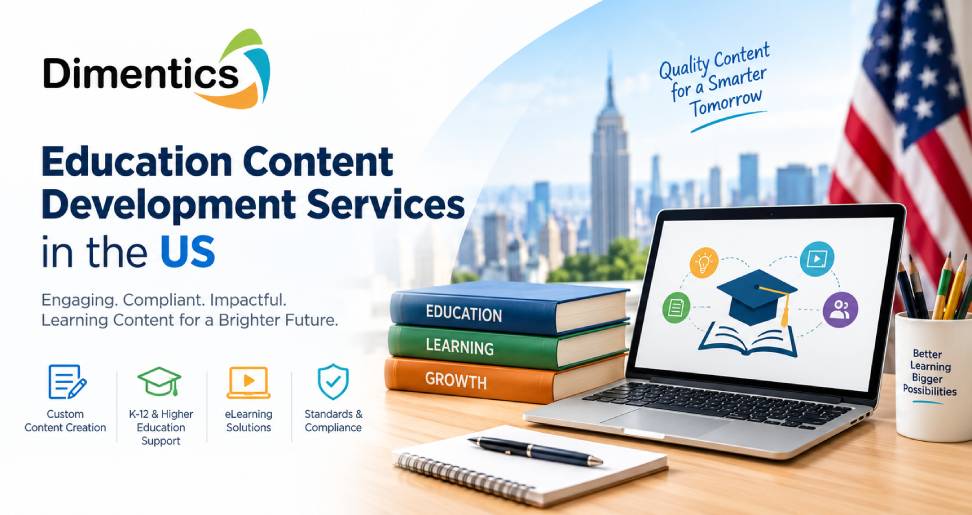
The education industry in the United States is evolving rapidly. Schools, universities, corporate training departments, EdTech companies, and learning providers are increasingly relying on high-quality digital content to deliver effective learning experiences. From interactive lessons and assessments to accessible eLearning modules and standards-aligned curriculum, educational organizations need content that is accurate, engaging, scalable, and designed… Continue reading Education Content Development Services in US: Building Engaging, Effective Learning Experiences
Category: Assessment Development Services
How to Choose the Right eLearning Content Development Company for Your Organization
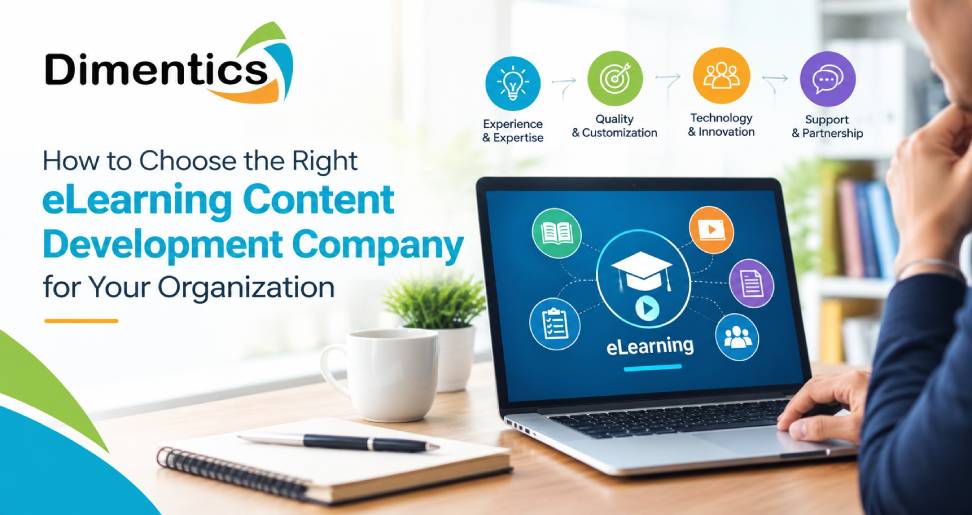
In today’s digital-first workplace, organizations are increasingly turning to eLearning to train employees, improve knowledge retention, support compliance, and develop new skills. However, creating effective digital learning content requires more than simply converting existing training materials into online courses. The right eLearning content development company can help transform your ideas into engaging, scalable, accessible, and… Continue reading How to Choose the Right eLearning Content Development Company for Your Organization
How AI Is Transforming Standards Alignment
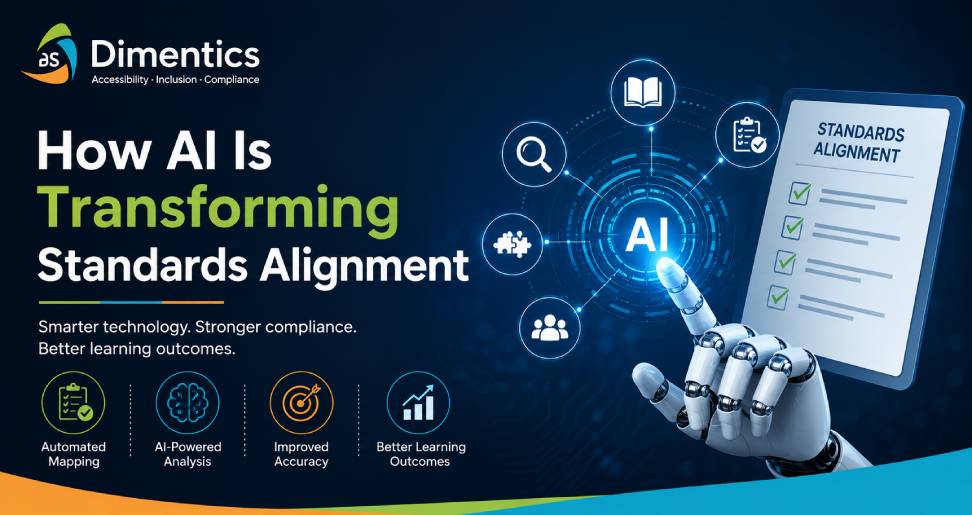
Educational standards are constantly evolving. For publishers, EdTech companies, schools, and curriculum developers, keeping learning content aligned with the right academic standards can be time-consuming and difficult to manage at scale. This is where artificial intelligence (AI) is beginning to transform the standards alignment process. Traditionally, standards alignment required curriculum specialists and subject matter experts… Continue reading How AI Is Transforming Standards Alignment
How EdTech Companies Can Align Learning Content with State Standards
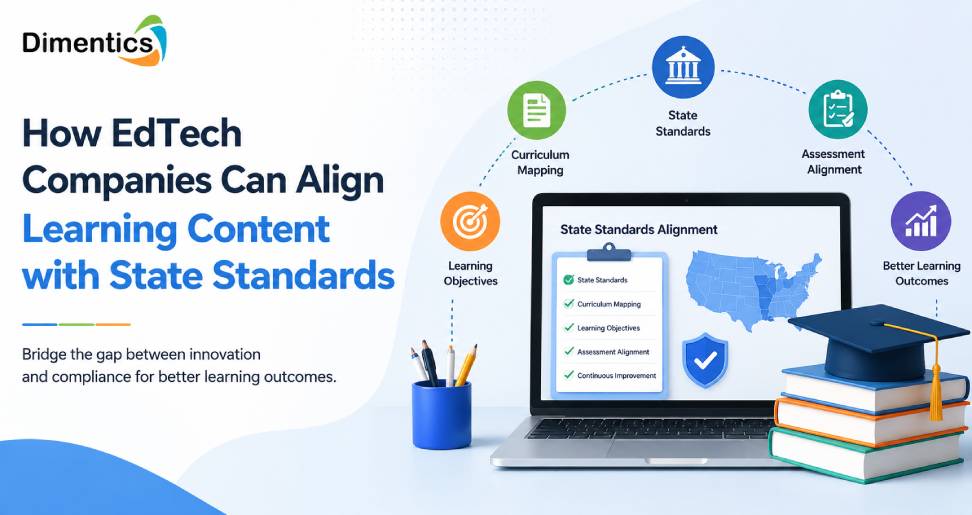
For EdTech companies, creating engaging digital learning content is only one part of the equation. To deliver meaningful educational value, learning materials must also align with the academic standards used by schools, districts, and states. When content reflects state standards accurately, educators can integrate it more confidently into their curriculum, while students receive instruction that… Continue reading How EdTech Companies Can Align Learning Content with State Standards
Best Practices for Standards-Based Assessment Development
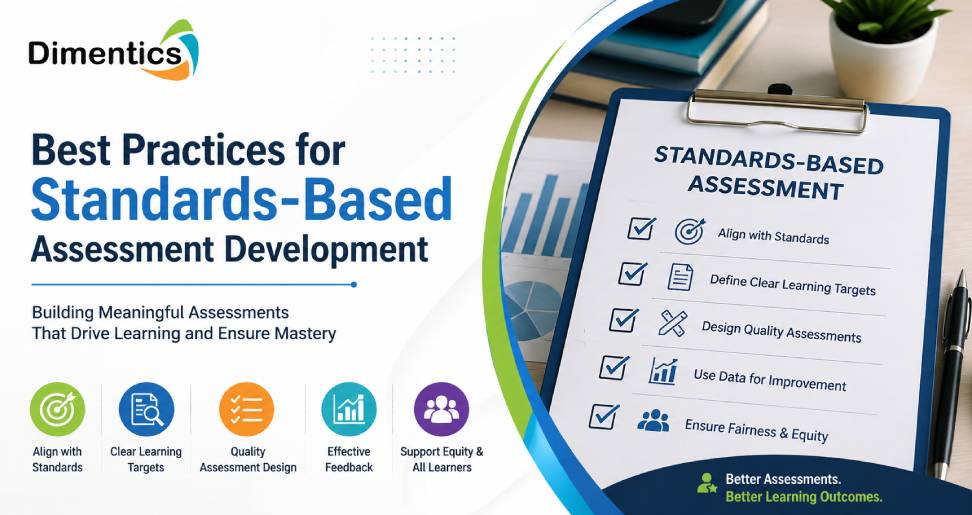
Creating effective assessments is about more than writing good questions. A well-designed assessment should accurately measure what learners are expected to know, understand, and apply. This is where standards-based assessment development becomes essential. By connecting assessments directly to defined academic standards and learning objectives, educators, publishers, and EdTech organizations can create evaluations that are consistent,… Continue reading Best Practices for Standards-Based Assessment Development
EAA 2025 Compliance Deadline: What Publishers Need to Know
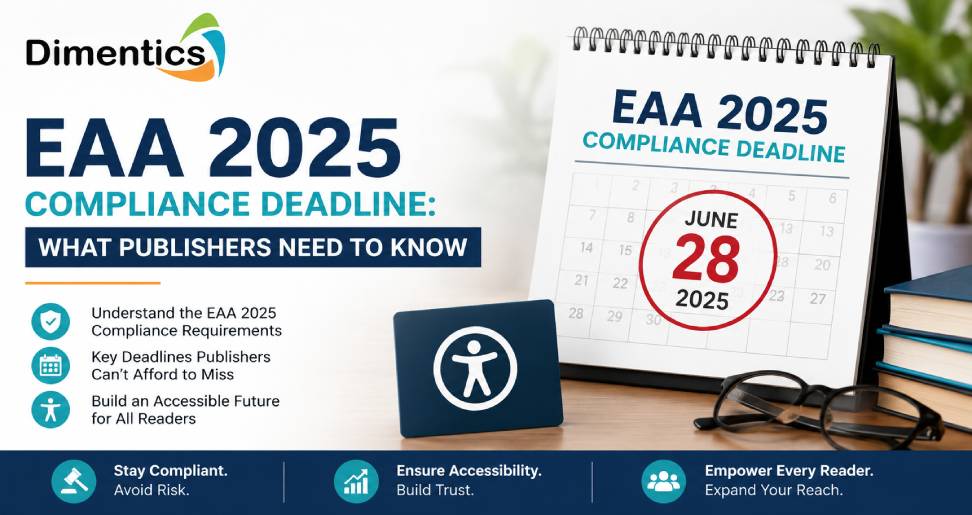
The European Accessibility Act (EAA) 2025 compliance deadline marked a major change for publishers, EdTech companies, and digital content providers serving customers in the European Union. The EAA became enforceable on 28 June 2025, introducing accessibility requirements for a range of products and services, including e-books, dedicated e-reading software and devices, and related digital services.… Continue reading EAA 2025 Compliance Deadline: What Publishers Need to Know
How to Choose an Accessibility Remediation Partner for K-12 Publishers
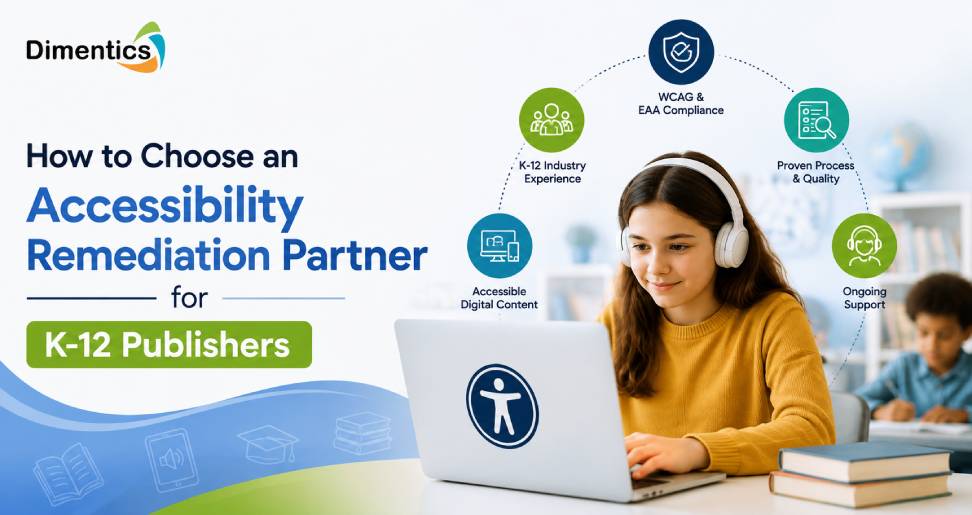
Digital accessibility is becoming an essential part of modern K-12 publishing. Schools, teachers, parents, and students increasingly rely on digital textbooks, learning platforms, PDFs, EPUBs, websites, assessments, and multimedia resources. If these materials are difficult to navigate or use with assistive technologies, students with disabilities can face unnecessary barriers to learning. For K-12 publishers, accessibility… Continue reading How to Choose an Accessibility Remediation Partner for K-12 Publishers
Common Mistakes Publishers Make During Curriculum Alignment
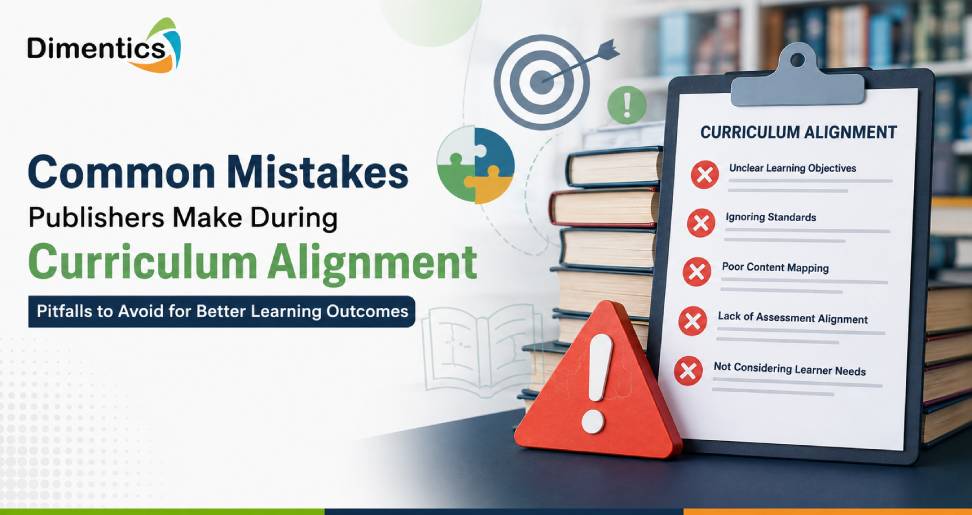
Curriculum alignment is a critical part of educational publishing. Schools, teachers, and education leaders expect instructional materials to support the standards, learning objectives, skills, and assessments students are expected to master. However, simply mentioning standards in a textbook or adding an “aligned” label does not guarantee genuine alignment. Research has found substantial gaps between publishers’… Continue reading Common Mistakes Publishers Make During Curriculum Alignment
How to Convert PowerPoint Training to Articulate Rise 360: A Complete Guide
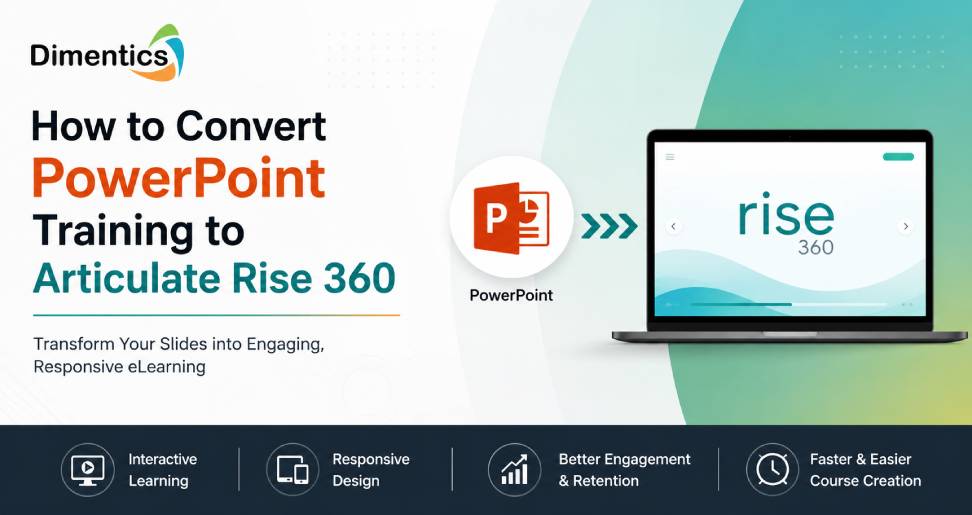
PowerPoint remains one of the most widely used tools for creating training presentations. However, traditional slide-based training can become difficult to engage with, especially when learners expect interactive, mobile-friendly and self-paced digital learning experiences. This is where Articulate Rise 360 can make a significant difference. Rise 360 allows training teams to transform static learning material… Continue reading How to Convert PowerPoint Training to Articulate Rise 360: A Complete Guide
Curriculum Mapping vs Standards Alignment: What’s the Difference?
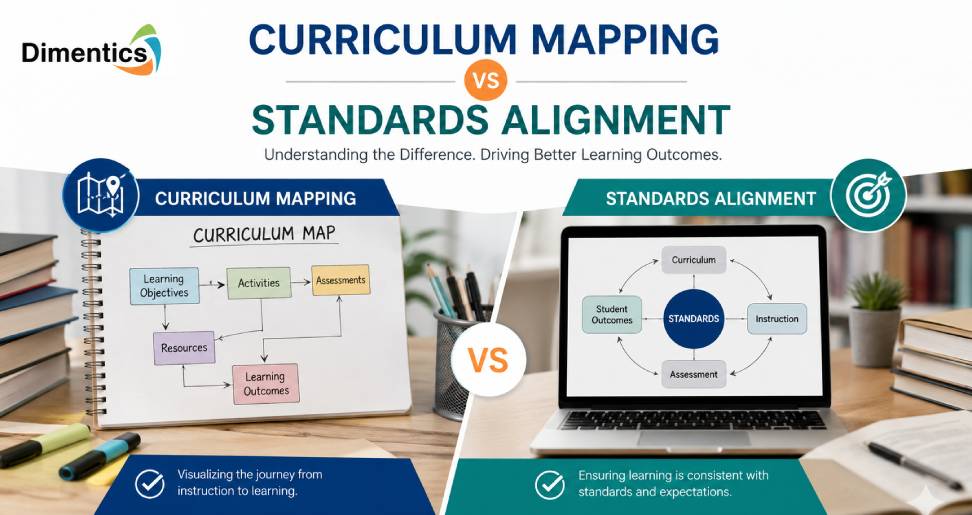
In modern education, creating effective learning content requires more than simply covering topics. Schools, educational publishers, and EdTech companies need to ensure that their curriculum supports clear learning objectives while also meeting applicable academic standards. This is where curriculum mapping and standards alignment become essential. Although the terms are sometimes used interchangeably, curriculum mapping vs… Continue reading Curriculum Mapping vs Standards Alignment: What’s the Difference?